

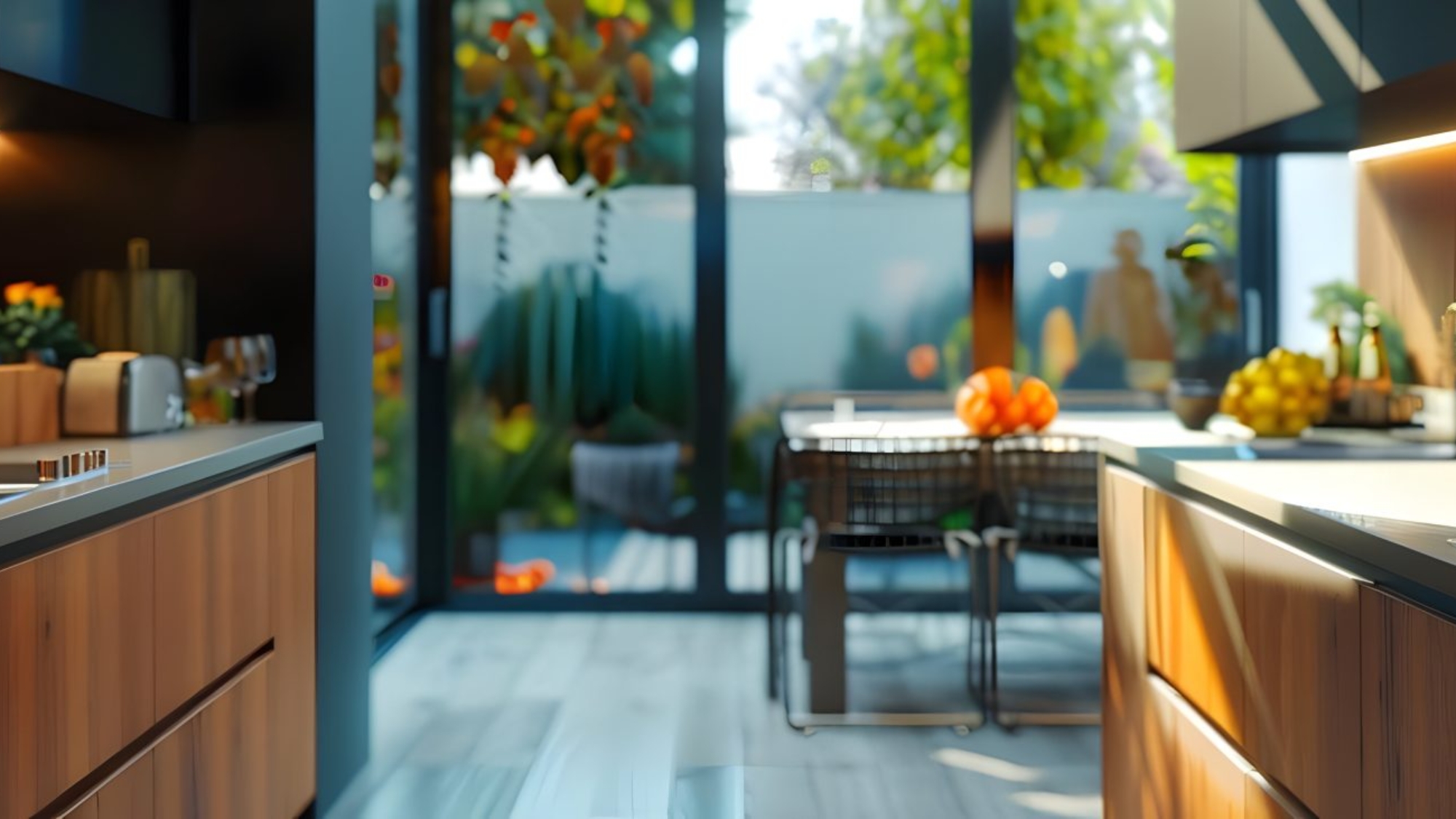
The kitchen has long been the heart of the home, but its role continues to expand. Today, it is where meals are prepared, conversations unfold, remote work gets done, and friends gather. As everyday routines change, homeowners are rethinking kitchen design to create spaces that are practical, comfortable, and visually appealing.
Modern kitchen remodeling is no longer limited to replacing outdated cabinets or installing new countertops. It is about improving how a space functions while giving it a distinctive personality. From clever storage and sustainable materials to statement lighting and multifunctional layouts, these ten design trends offer inspiration for creating a kitchen that feels both contemporary and timeless.
1. Storage Designed Around Everyday Life
A well-organized kitchen makes everyday tasks easier and helps keep countertops clear. Instead of relying on standard cabinets alone, homeowners are embracing storage solutions tailored to their routines and needs.
Pull-out pantry systems, deep drawers, built-in spice racks, corner organizers, and concealed compartments help make the most of available space. Vertical dividers can organize baking trays and cutting boards, while dedicated sections keep cooking essentials within easy reach.
The key is to look beyond the amount of storage and consider how effectively it works. A thoughtfully planned kitchen makes every cabinet, drawer, and corner more useful.
2. Two-Tone Cabinets With Character
Uniform cabinetry is making room for more expressive combinations. Two-tone kitchens introduce contrast by pairing different cabinet colors, finishes, or materials within the same design.
Natural wood with warm white, deep navy with soft gray, or muted green with creamy beige can create visual depth without overwhelming the room. Some homeowners choose darker lower cabinets and lighter upper units, while others use a contrasting kitchen island to establish a focal point.
This approach offers plenty of creative freedom while maintaining a cohesive appearance. The most successful combinations balance color, texture, and natural light to suit the overall character of the home.
3. Sustainable Materials and Energy-Conscious Choices
Environmental considerations are becoming an important part of kitchen renovation. Homeowners are increasingly looking for materials and products that combine attractive design with durability and more responsible resource use.
Options include responsibly sourced timber, recycled-content surfaces, durable flooring, and cabinetry finished with low-emission coatings. Energy-efficient appliances and LED lighting can also help reduce household energy consumption.
Longevity matters just as much as material selection. Choosing well-made cabinets, repairable components, and timeless finishes can reduce the need for frequent replacements.
A sustainable kitchen does not have to look rustic or understated. Contemporary materials and carefully selected finishes can create sophisticated interiors while supporting more thoughtful design decisions.
4. Smart Technology for a More Convenient Kitchen
Connected technology is changing how homeowners interact with their kitchens. Smart appliances, app-controlled lighting, touchless faucets, and voice-activated assistants can simplify everyday routines and provide greater control over household tasks.
Depending on the model, connected refrigerators may help track groceries, while smart ovens can offer remote monitoring and cooking notifications. Some systems also allow homeowners to coordinate lighting, ventilation, and other compatible devices.
However, technology works best when it solves a genuine problem. Before investing in connected features, consider ease of use, reliability, compatibility, and long-term maintenance.
The goal is to create a kitchen that feels intuitive and efficient, not one that requires unnecessary complexity.
5. Kitchen Islands That Do More
The kitchen island has become much more than an additional work surface. In many modern homes, it serves as a place for meal preparation, casual dining, storage, and socializing.
Larger islands can accommodate seating, deep drawers, built-in appliances, or dedicated preparation zones. Waterfall countertops, which extend vertically down the sides, create a striking architectural feature, while contrasting cabinetry helps distinguish the island from the rest of the kitchen.
For smaller rooms, a compact island or movable worktable may provide similar benefits without disrupting circulation.
The ideal design depends on the available space and the household's needs. Adequate clearance around the island is essential to ensure that doors, drawers, and walkways remain accessible.
6. Open Shelving Balanced With Concealed Storage
Open shelving introduces a lighter, more personalized look by displaying attractive dishes, glassware, cookbooks, and decorative objects. It can also make frequently used items easier to reach.
Yet a kitchen filled entirely with open shelves may require more frequent cleaning and careful organization. That is why many homeowners are combining open shelving with traditional closed cabinetry.
This mixed approach creates room for visual interest while keeping less attractive or less frequently used items out of sight. Wood shelves can add warmth, while metal or glass details introduce a more contemporary feel.
The result is a kitchen that feels individual without sacrificing everyday practicality.
7. Warm Colors and Natural Textures
Cool grays and stark white finishes are sharing the spotlight with warmer, nature-inspired palettes. Creamy neutrals, sandy beige, earthy terracotta, muted greens, and natural wood tones help create interiors that feel welcoming and relaxed.
Texture plays an equally important role. Wood grain, stone-inspired countertops, handmade-look tiles, and tactile cabinet finishes can add depth without requiring an abundance of decorative elements.
These materials work particularly well when paired with balanced lighting and complementary finishes. Even a simple kitchen can feel more distinctive when subtle variations in color and texture are thoughtfully combined.
Warm palettes also offer flexibility, making it easier to update the room over time with new accessories, textiles, and decorative details.
8. Lighting as a Design Statement
Kitchen lighting has moved beyond a purely functional role. It now helps establish atmosphere, emphasize architectural features, and define different activity zones.
Pendant lights above an island can act as sculptural focal points, while under-cabinet lighting improves visibility across work surfaces. Recessed fixtures provide general illumination, and accent lighting can highlight shelving, display cabinets, or distinctive materials.
Layering different light sources makes the kitchen more adaptable throughout the day. Bright, focused lighting supports cooking and food preparation, while softer illumination creates a more relaxed setting for meals and gatherings.
When planning a renovation, consider fixture placement, light distribution, and the color temperature of the bulbs. A coordinated lighting scheme can transform the appearance and usability of the entire space.
9. Minimalist Design With Personal Details
Clean lines, uncluttered surfaces, and streamlined cabinetry remain popular, but modern minimalism is becoming more expressive. Rather than creating an entirely neutral environment, homeowners are introducing distinctive features that make the space feel personal.
A patterned backsplash, unusual cabinet handles, contrasting countertop materials, or a textured feature wall can add character without compromising the overall simplicity of the design.
Concealed appliances and integrated storage help maintain a tidy appearance, while carefully selected accessories introduce individuality.
The secret is balance. A few meaningful details can make a stronger impression than an abundance of competing colors, patterns, and decorative objects.
10. Multifunctional Spaces for Modern Living
As homes accommodate more activities, kitchens are increasingly designed to support more than cooking and dining. A thoughtfully planned layout may include a compact homework station, a built-in coffee corner, a charging area, or a small workspace.
Dedicated beverage stations can keep coffee-making essentials organized, while integrated desks or counters provide a convenient place to check emails or manage household tasks. In open-plan homes, islands and breakfast bars can also help define separate activity zones without adding walls.
These features are especially valuable when space is limited. The key is to integrate them into the design so that they feel intentional rather than crowded into an already busy room.
A multifunctional kitchen should still prioritize efficient movement, comfortable seating, and accessible preparation areas.
Bringing These Kitchen Remodeling Trends Together
The most successful kitchen renovations combine attractive design with practical decisions. Before choosing finishes or appliances, consider how your household uses the space, what currently causes frustration, and which improvements would make the biggest difference.
Start by identifying your priorities, whether that means increasing storage, improving lighting, creating additional seating, or reducing energy consumption. Then choose materials, colors, and features that work together rather than treating every trend as a separate design statement.
It is also worth thinking about long-term maintenance, durability, accessibility, and the overall layout. Trends can provide inspiration, but the best choices are those that suit your home and remain useful as your needs change.
Final Thoughts: A Kitchen That Works for You
Kitchen remodeling is about more than updating the appearance of a room. It is an opportunity to create a space that supports everyday routines, encourages connection, and reflects your personal style.
Clever storage can improve organization, warm finishes can make the room feel more inviting, and well-chosen technology can simplify daily tasks. Sustainable materials, flexible layouts, and thoughtful lighting can bring these elements together into a more comfortable and functional environment.
You do not need to incorporate every trend to achieve a successful renovation. Focus on the features that matter most to you, plan carefully, and build a design around the way you want to live.
In Case You Missed It! Discover more home improvement inspiration, interior design ideas, and practical ways to make your living spaces more functional, comfortable, and inviting.