

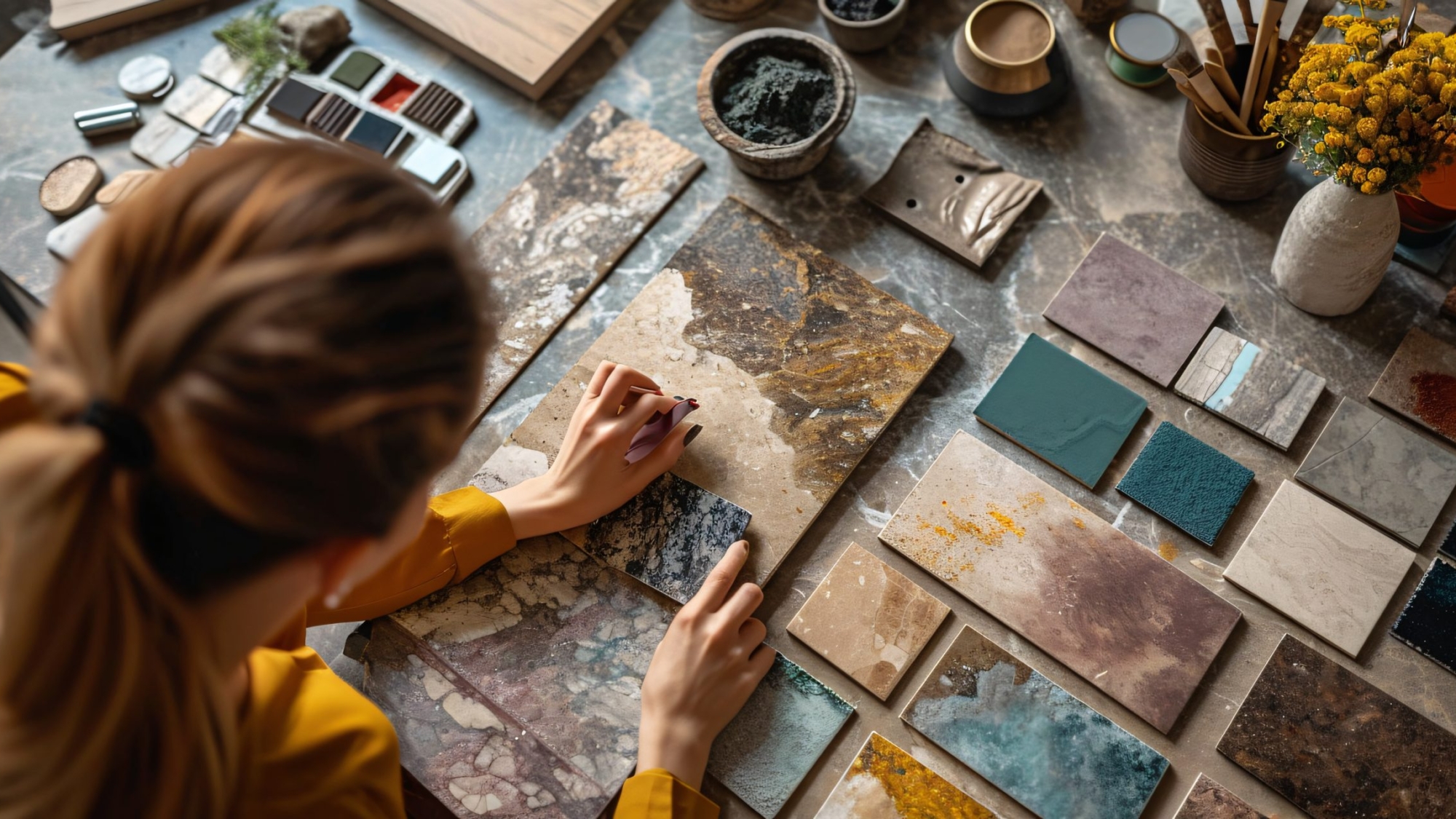
Texture is one of the most powerful elements in interior design. While colour schemes and furniture layouts help establish the character of a room, the interplay of materials and finishes brings a space to life. From soft upholstery and woven accessories to natural wood, textured walls, and decorative glass, carefully layered surfaces add depth, warmth, and personality to every corner of the home.
Beyond appearance, texture influences how a space feels. It can make a room more welcoming, create a sense of calm, and introduce character without relying on bold colours or elaborate patterns. Whether you're planning a full renovation or making a few thoughtful updates, working with texture is about finding the right balance between comfort, contrast, and visual interest.
Start with the Foundation
A well-designed interior begins with elements that connect the entire space. Flooring, in particular, provides a foundation for the colours, materials, and furnishings that follow. Although it may not always be the first detail people notice, the right surface can influence the atmosphere of a room and bring different design elements together.
Luxury vinyl plank (LVP) flooring is one option for homeowners who appreciate the look of natural materials alongside everyday practicality. Designed to replicate the appearance of timber or stone, it can introduce realistic grain patterns, subtle tonal variations, and organic character without dominating the overall design.
Warm wood-inspired shades, such as golden oak, chestnut, and walnut, can make interiors feel grounded and inviting. Lighter finishes complement airy, relaxed spaces, while deeper tones bring richness and definition. When combined with materials such as ceramic, leather, brushed metal, or woven textiles, these flooring styles create an appealing balance between natural warmth and contemporary design.
Practical considerations matter, too. Flooring that is comfortable underfoot, easy to maintain, and suited to everyday activity can be a useful choice for busy households, rental properties, and family living areas. With a broad selection of finishes and colours available, it's easier to find an option that complements the wider design vision.
Why Texture Makes Such a Difference
Texture does more than change how a surface feels. It influences the way light interacts with a room, creates subtle contrasts, and helps define its overall mood. A smooth wall becomes more interesting beside a rough plaster finish, while crisp bedding feels more inviting when paired with a soft knitted blanket.
Layered materials are particularly effective in minimalist interiors. They add depth without introducing unnecessary decoration, soften strong architectural lines, and give simple spaces a more personal, lived-in character. This approach works especially well with neutral and monochromatic colour schemes, where differences in texture prevent the palette from feeling flat.
Texture can also help balance the visual weight of a room. Chunky upholstery, exposed timber, and stone-inspired surfaces bring substance, while smooth flooring, painted walls, and polished cabinetry provide contrast. Combining these qualities creates a more harmonious environment, allowing individual features to stand out without competing for attention.
Layer Materials with Intention
Creating a textured interior doesn't mean filling every surface with a different finish. The most successful spaces often begin with just one or two defining materials, such as a timber-look floor, a tactile accent wall, or a statement piece of upholstered furniture.
From there, introduce complementary elements that offer contrast. Pair linen with leather, glass with natural fibres, or soft velvet with metal details. Combine rounded, sculptural shapes with clean architectural lines to create a balance between softness and structure.
Accessories can make this process simple and flexible. Rugs introduce another layer beneath your feet, while cushions, throws, curtains, and upholstered furniture bring softness into the room. Artwork, sculptural objects, ceramics, and natural materials add further dimension without requiring major changes.
Look beyond furniture and accessories, too. Cabinet fronts, shelving, wall treatments, light fixtures, and decorative hardware all contribute to the overall textural mix. Even a small detail, such as a ribbed glass pendant or a brushed metal handle, can make a noticeable difference.
The key is to make deliberate choices. Each material should contribute something to the room, whether that's warmth, contrast, comfort, or visual rhythm.
Find the Right Relationship Between Colour and Texture
Colour and texture work best when they support one another. Warm neutrals such as sand, cream, clay, and ochre can feel especially rich when combined with natural wood, woven fabrics, and softly textured finishes. Cooler shades, including slate, charcoal, and smoky grey, often pair beautifully with glass, metal, and polished stone.
If bold colours aren't your preference, texture offers another way to express personality. A room built around layered neutrals can feel just as dynamic as one featuring bright accents or dramatic patterns. The variation comes from the materials themselves rather than from strong colour contrasts.
Flooring can help establish this visual relationship. A natural-looking woodgrain or stone-inspired finish provides a consistent foundation, allowing other surfaces and furnishings to introduce more expressive details. In open-plan interiors, a coordinated flooring choice can also help connect different functional areas while leaving room for individual styling choices.
The result is a space that feels cohesive without becoming predictable.
Create Contrast Without Clutter
A thoughtful combination of textures can make a room feel complete, but too many competing materials may overwhelm the design. Instead of introducing every finish you like, focus on a few that work well together.
Consider balancing rough with smooth, soft with structured, and matte with reflective. Repeat selected materials in different areas to create a sense of continuity, while using occasional contrasts to draw attention to focal points.
Natural materials can be especially effective when paired with contemporary finishes. Timber, stone, clay, and woven fibres bring organic variation, while glass, metal, and clean-lined surfaces introduce a more refined edge. This combination allows a home to feel modern yet comfortable, polished yet personal.
Remember that negative space is part of the design, too. Leaving some surfaces simple gives more expressive materials room to stand out and prevents the interior from feeling visually crowded.
A Timeless Approach to Interior Design
One of texture's greatest strengths is its versatility. Colours, patterns, and decorative trends may change, but the appeal of natural materials, tactile fabrics, and well-balanced finishes continues to endure. Texture connects interior design with the everyday experience of living in a space: touching surfaces, moving through rooms, relaxing on furniture, and noticing how light changes throughout the day.
As home design continues to evolve, materials will remain essential to creating interiors that feel both functional and emotionally engaging. Whether introduced through flooring, furniture, architectural details, or simple decorative accents, texture helps transform a room from a collection of objects into a cohesive living environment.
You don't need a complete makeover to make a difference. Start with the materials you already love, introduce a few thoughtful contrasts, and let each element contribute to the overall atmosphere. With a balanced approach, you can create a home that feels welcoming, distinctive, and genuinely your own.
In Case You Missed It!
- The Power of Natural Materials: Discover how wood, stone, and organic finishes bring warmth and character into modern interiors.
- Small Changes, Big Impact: Explore simple decorating ideas that refresh a room without a complete renovation.
- A Guide to Modern Flooring: Learn how different flooring styles influence the look, comfort, and functionality of your home.
- The Beauty of Neutral Interiors: Find inspiration for creating layered, sophisticated spaces through subtle colour and material combinations.