

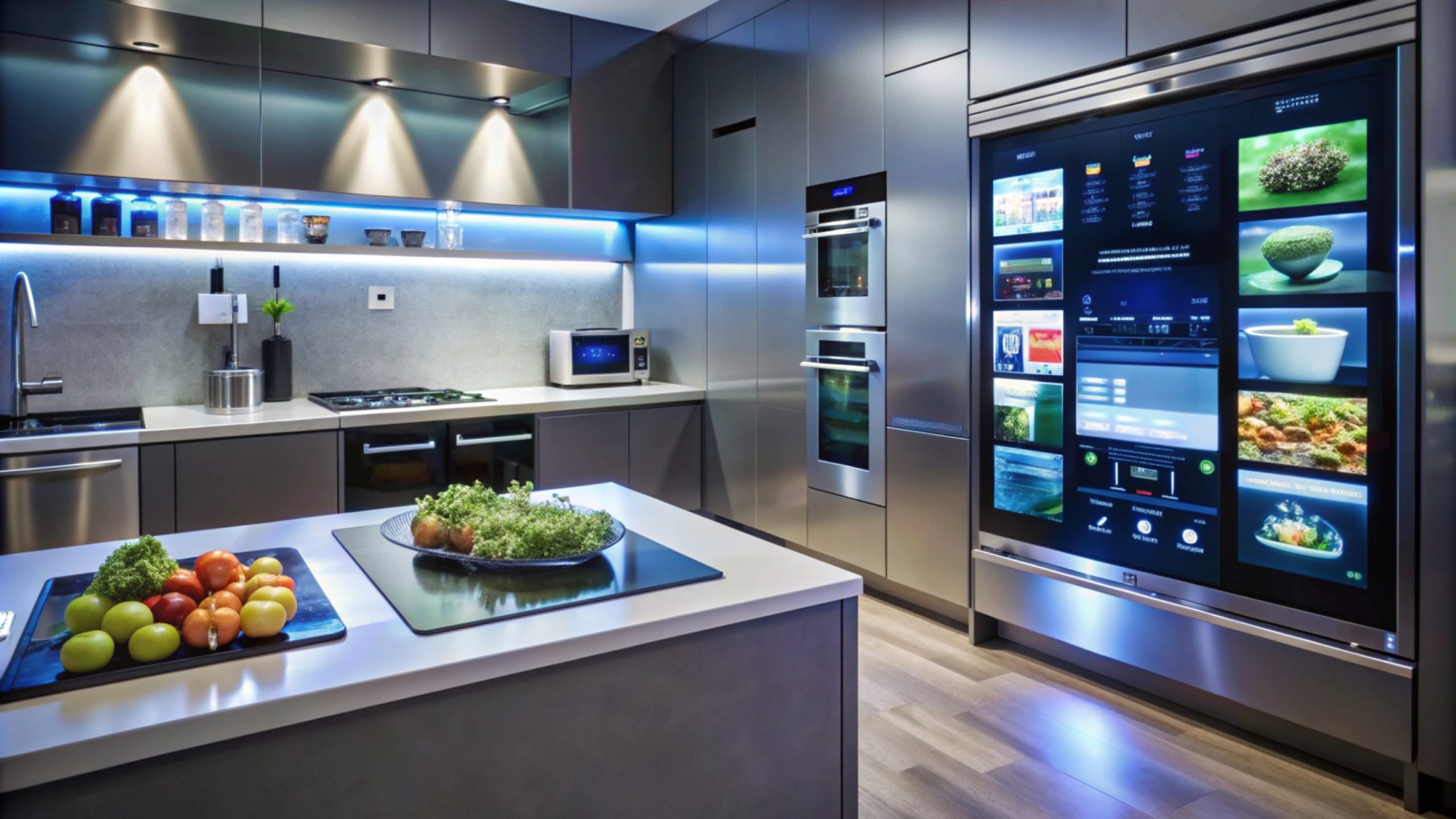
The kitchen is one of the most demanding environments in a home. It combines heat, moisture, electrical equipment, food storage, repetitive tasks, and constant movement within a relatively concentrated space. Modern connected appliances are introducing new ways to coordinate these activities, but their value depends on how effectively technology supports the fundamentals of cooking and maintenance.
Appliances That Communicate Their Condition
Connected ovens, refrigerators, dishwashers, and washing machines can provide operational information that conventional appliances may not display. Users might receive notifications when a cycle finishes, learn that a filter requires attention, or review selected temperature readings remotely.
These features can improve visibility into equipment operation. A refrigerator alert may draw attention to a door left open, while a dishwasher notification can simplify household scheduling.
However, a notification is only useful when it is accurate and actionable. Users should understand which measurements a device actually provides and avoid treating automated diagnostics as definitive technical assessments.
Precision Cooking and Repeatable Results
Digital temperature controls and programmed cooking cycles can make it easier to reproduce familiar results. Some appliances monitor internal conditions and adjust their operation to maintain a selected setting.
Connected interfaces may also store recipes, display operating instructions, or coordinate timers across several tasks. This can be particularly useful when preparing meals that require several stages to finish at the right moment.
Still, technology does not remove the importance of ingredient quality, cookware, food preparation, and practical judgment. Programmed settings should be treated as tools that support cooking rather than substitutes for understanding the process.
The Kitchen as a Coordinated Workspace
Smart lighting can improve visibility over preparation surfaces, while compatible ventilation equipment can respond to selected operating conditions. Voice assistants may provide hands-free timers, and connected appliances can make cycle progress easier to monitor.
A successful layout minimizes unnecessary interaction. Essential controls should remain accessible, interfaces should be easy to understand, and frequently used equipment should not depend on a complicated sequence of application commands.
Heat, steam, grease, and spills also create demanding conditions for electronics. Devices should be installed according to their environmental ratings and manufacturer instructions.
Hygiene, Maintenance, and Product Longevity
Connectivity does not eliminate routine cleaning. Refrigerator seals, dishwasher filters, ventilation components, and appliance interiors still require appropriate maintenance.
Before investing in advanced features, buyers should consider spare-part availability, repair options, software support, and the ability to use basic functions without an internet connection.
An appliance that performs its core task reliably may be more valuable than one with an elaborate interface but limited long-term support.
Technology That Respects the Craft
Cooking involves timing, judgment, creativity, and sensory feedback. The most useful digital tools reduce avoidable distractions, make equipment easier to monitor, and support consistent results without turning meal preparation into a technical exercise.
A well-connected kitchen combines precision with simplicity. Its technology should remain in the background while people concentrate on ingredients, techniques, and the experience of preparing food.