

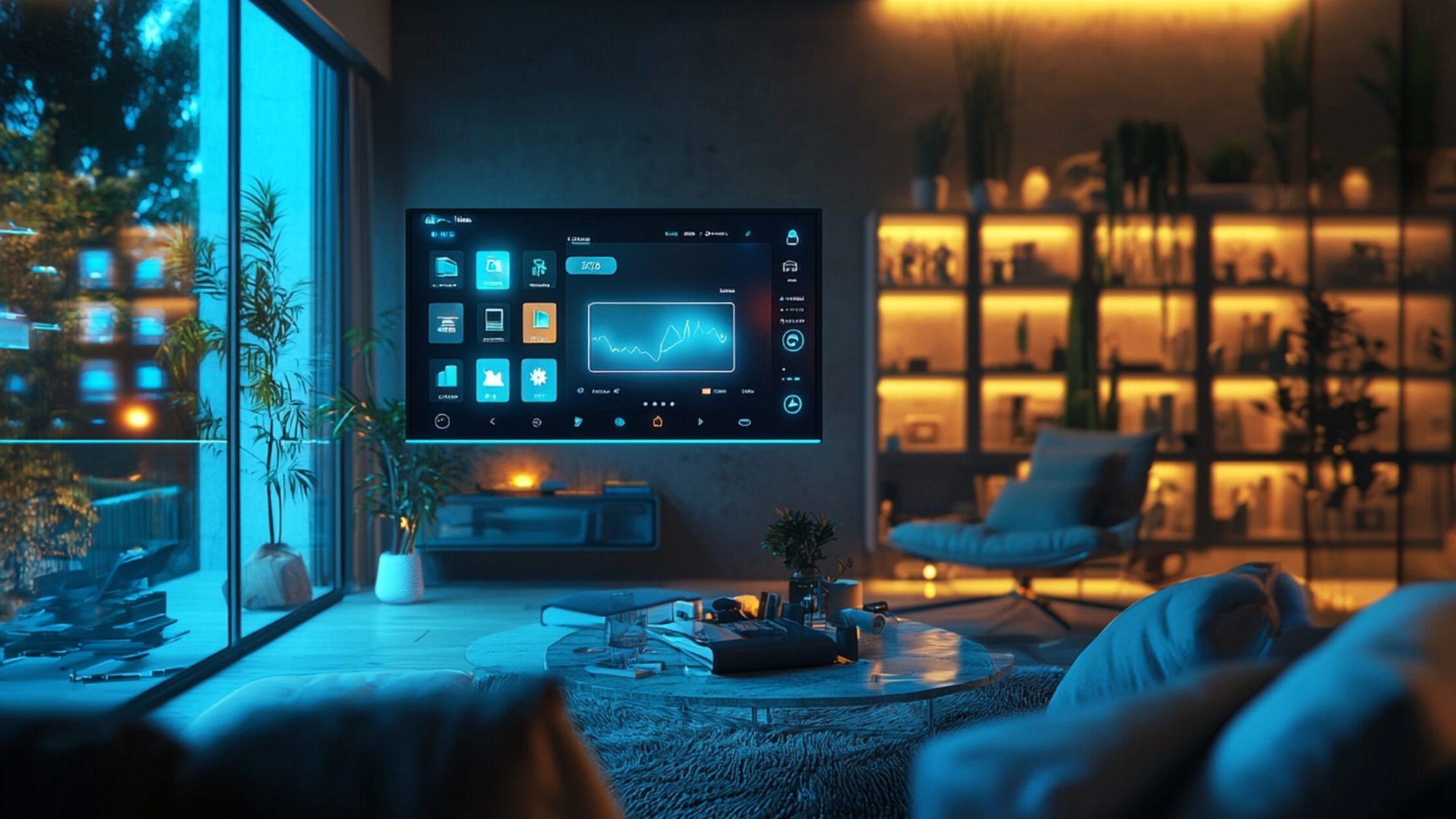
A compelling entertainment environment is created through the interaction of image, sound, lighting, acoustics, and physical space. While modern televisions and streaming platforms provide access to an enormous range of content, the quality of the experience depends on much more than display resolution or the number of available applications.
Connected entertainment systems allow these elements to be coordinated, creating a room that can transition from everyday viewing to music listening, gaming, or cinematic presentation.
Image Quality Begins with the Environment
Display performance is influenced by contrast, brightness, color reproduction, refresh rate, and viewing angle. The surrounding room contributes just as much to perceived quality.
Direct reflections can obscure dark scenes, while excessive ambient light may reduce perceived contrast. Screen placement and viewing distance also affect comfort, particularly during extended sessions.
Smart lighting can help establish suitable conditions for different activities. Dimmable ambient fixtures, indirect illumination, and adjustable background lights provide flexibility without requiring a dedicated theater room.
Sound Is a Spatial Experience
Audio quality depends on both equipment and acoustics. Soundbars can improve dialogue clarity, while multi-speaker arrangements may create a broader sense of space and direction.
Room geometry, speaker placement, reflective surfaces, and furniture influence the sound reaching the listener. Calibration software can help balance levels, but it cannot fully correct every physical limitation.
Wireless audio systems offer flexible installation, although compatibility, synchronization, and network performance should be evaluated before adding multiple speakers.
Coordinating Devices into One Experience
A centralized entertainment routine can dim selected lights, switch the television to an appropriate input, and activate compatible audio equipment. Universal remotes and supported control standards may reduce the need to manage each component separately.
However, automation should not obscure basic functionality. Users need clear ways to change inputs, adjust volume, and operate equipment when an integration fails.
A well-designed interface prioritizes common actions rather than presenting every available setting at once.
Connectivity Is Part of Performance
Streaming, cloud gaming, and online multiplayer experiences depend on network conditions. Wireless signal strength, interference, competing traffic, and the capabilities of the router can all affect performance.
Wired connections may be preferable for stationary devices when practical. For wireless systems, access-point placement and appropriate network configuration can improve reliability.
Troubleshooting should distinguish between local network problems, device limitations, and interruptions originating from an external service.
Immersion Without Excess
Ambient lighting effects, synchronized audio, and automated scenes can create a more engaging experience, but excessive effects may become distracting. The ideal arrangement depends on the content, room size, and personal preference.
An effective entertainment environment is carefully balanced. Every component contributes to the overall experience, yet none should require constant attention. When visual quality, acoustics, connectivity, and controls work together, the technology becomes a natural extension of the room.