

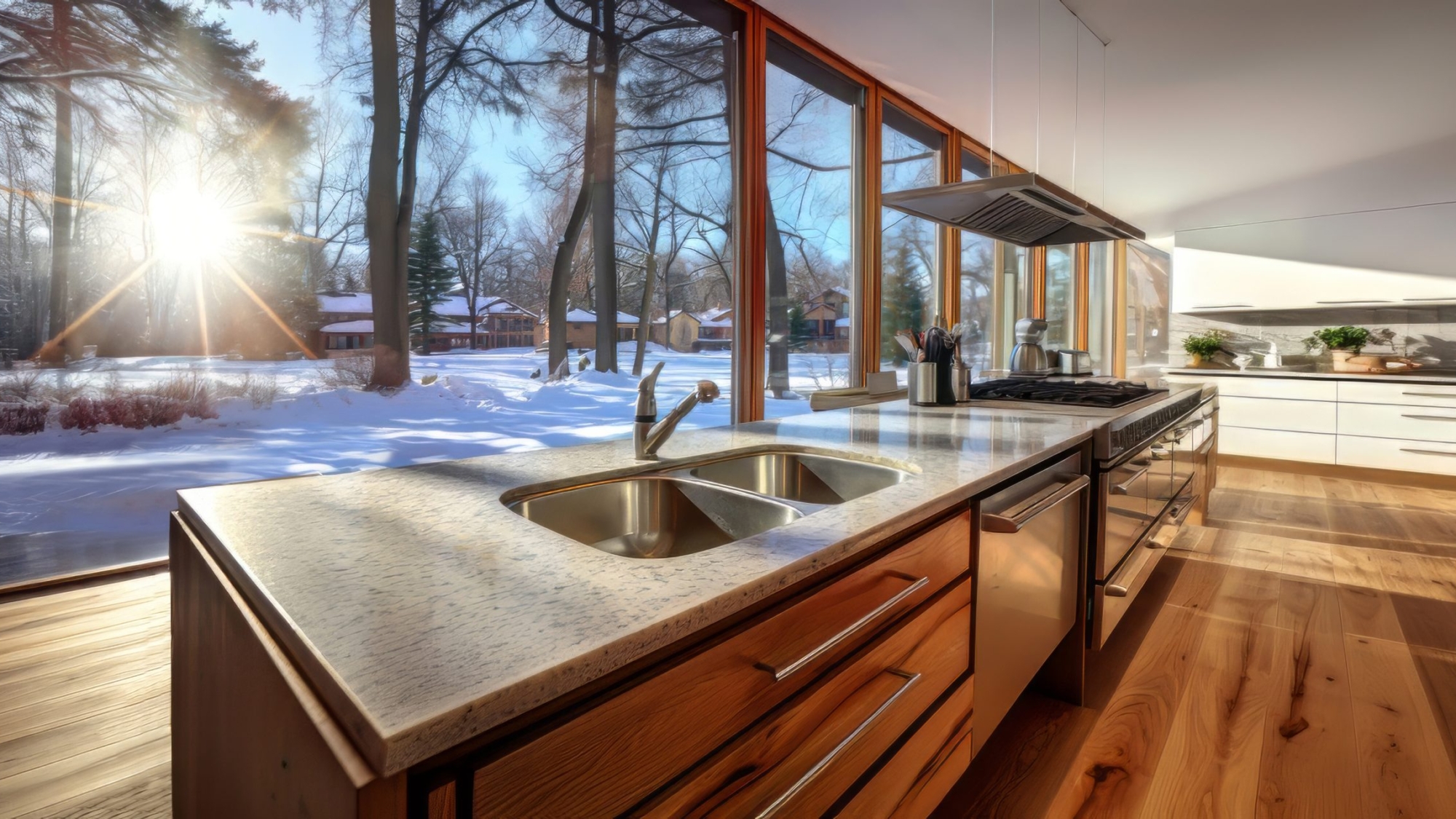
The kitchen is evolving beyond its traditional role as a place to prepare meals. As homes adapt to changing lifestyles, limited space, and growing environmental awareness, this essential room is becoming a hub of innovation, comfort, and thoughtful design. The kitchens of tomorrow will combine intelligent technology, flexible layouts, and sustainable materials to make everyday living more convenient without sacrificing warmth or personality.
From connected appliances to multifunctional furniture, the future of kitchen design is about making every detail work harder while creating a space that feels natural, inviting, and uniquely personal.
Smart Technology That Simplifies Everyday Life
Technology is steadily changing the way people interact with their kitchens. Appliances that once required constant attention are becoming more intuitive, helping households manage everyday tasks with greater ease.
Smart refrigerators can help track ingredients and suggest meal ideas, while connected ovens offer remote controls and cooking notifications. Modern dishwashers may adjust their cycles according to the load, and touchless faucets can make everyday tasks more convenient while helping reduce unnecessary water use.
Voice-controlled assistants add another layer of functionality. They can provide recipe instructions, set timers, adjust lighting, and coordinate compatible connected devices, allowing users to focus on cooking rather than managing multiple tasks.
The next stage of smart kitchen design will likely place greater emphasis on personalization. Connected systems may become increasingly capable of recognizing household routines, helping users organize ingredients, plan meals, and make better use of what they already have.
The goal is not to fill every corner with technology. It is to introduce features that solve real problems, reduce friction, and make the kitchen easier to use.
Making Every Inch Count
As urban living and compact homes become more common, efficient space planning is taking center stage. Modern kitchens increasingly rely on flexible layouts, clever storage, and multifunctional features that help smaller rooms feel more spacious.
Imagine a countertop that extends when additional preparation space is needed, a dining surface that folds away after a meal, or a kitchen island that combines seating, storage, and cooking functions in one carefully designed structure.
These solutions make it possible for a single room to serve several purposes throughout the day. A kitchen can function as a breakfast area in the morning, a workspace in the afternoon, and a gathering place in the evening.
Compact appliances also contribute to this shift. Slim dishwashers, under-counter refrigerators, integrated ventilation systems, and concealed cooking equipment can help maintain a clean, uncluttered appearance without compromising essential functionality.
Flexibility is becoming a defining feature of modern interiors. Instead of designing a kitchen around a single activity, homeowners can create adaptable spaces that respond to changing needs.
Storage That Becomes Part of the Architecture
Effective organization is no longer simply about adding more cupboards. Contemporary kitchen design increasingly integrates storage into the overall architecture, allowing practical features to blend seamlessly with the surrounding interior.
Deep drawers, pull-out shelving, vertical compartments, and hidden storage systems help make everyday essentials easier to access. Built-in lighting can illuminate drawers and cabinets, while integrated recycling stations keep waste sorting convenient without disrupting the visual flow of the room.
Cabinetry can also serve as a design feature in its own right. Continuous wall panels, concealed handles, and carefully coordinated finishes create a more cohesive appearance, particularly in open-plan homes where the kitchen shares space with dining and living areas.
Thoughtful organization can make even a compact kitchen feel calmer and more functional. When everything has a place, surfaces remain clearer, everyday routines become easier, and the design feels more intentional.
Sustainable Materials and Responsible Choices
Sustainability is becoming an increasingly important consideration in home design. Rather than focusing exclusively on appearance or immediate convenience, homeowners are paying more attention to where materials come from, how long products last, and what happens when they eventually need replacing.
Reclaimed wood, recycled glass, bamboo, and other responsibly sourced materials can introduce texture and character while supporting more resource-conscious design choices. Durable surfaces and repairable components can also help reduce the need for frequent replacements.
Cabinetry, countertops, flooring, and decorative finishes all present opportunities to make more thoughtful decisions. Choosing products with appropriate environmental certifications, lower emissions, and a longer expected service life can contribute to a healthier and more sustainable interior.
Natural textures are particularly effective in balancing the clean lines of contemporary kitchens. Wood grain, stone-inspired surfaces, and subtle variations in finish can soften modern designs and create a stronger connection with the natural world.
Sustainability does not require sacrificing style. With careful material selection, environmental responsibility and visual appeal can complement one another.
Moving Toward a Low-Waste Kitchen
A more sustainable kitchen begins with everyday habits as well as design choices. Reducing food waste, limiting unnecessary packaging, sorting recyclables, and using resources efficiently can make a meaningful difference over time.
Smart storage systems and meal-planning tools can help households keep track of ingredients and use food before it spoils. Some connected applications can monitor pantry items, organize shopping lists, or suggest recipes based on available ingredients.
Well-planned recycling and composting areas can make responsible disposal easier. Dedicated compartments, concealed bins, and accessible storage for reusable containers help integrate these practices into daily routines rather than treating them as additional chores.
Material choices matter, too. Products made from recycled or renewable resources, combined with durable construction and repair-friendly design, can help reduce unnecessary consumption.
The objective is not to create a perfectly waste-free household overnight. It is to design a kitchen that makes more responsible choices easier to maintain.
Water and Energy Efficiency by Design
A modern kitchen can be both comfortable and resource-conscious. Appliances, fixtures, lighting, and ventilation systems all influence how efficiently the space operates.
Induction cooktops offer responsive heating and can transfer energy efficiently to compatible cookware. Energy-efficient refrigerators and dishwashers can help reduce household consumption, while LED lighting provides effective illumination with relatively low energy use.
Water-saving faucets and appropriately selected fixtures can help limit unnecessary water consumption without compromising everyday convenience. Effective ventilation can also improve indoor comfort by managing cooking odors, moisture, and heat.
When selecting appliances, look beyond individual features. Consider overall energy and water performance, expected lifespan, repair options, and compatibility with the rest of the kitchen.
The most effective approach combines efficient products with thoughtful habits. Running appliances with appropriate loads, avoiding unnecessary water use, and maintaining equipment properly can help support long-term performance.
The Human Side of High-Tech Design
Even as kitchens become more connected, their emotional role remains unchanged. They are places where families gather, friends share meals, and everyday moments become lasting memories.
A successful design balances technological convenience with a welcoming atmosphere. Warm lighting, natural finishes, comfortable seating, and accessible work surfaces can make a highly functional kitchen feel inviting rather than overly technical.
Personalization will continue to shape this balance. Adjustable lighting can support different activities throughout the day, while flexible seating and adaptable work zones can accommodate everything from quiet morning routines to lively family gatherings.
Touch-friendly controls, intuitive layouts, and thoughtfully positioned storage can make technology feel less intrusive. The best innovations are often those that work quietly in the background, improving the experience without demanding constant attention.
Ultimately, a kitchen should reflect the people who use it. Technology can support that experience, but it should never replace the comfort, character, and connection that make the space meaningful.
Bringing Nature Into the Modern Kitchen
Natural elements offer another way to make future-focused kitchens feel more grounded. Plants, organic textures, daylight, and views of the outdoors can introduce a sense of calm into an otherwise busy environment.
Herb gardens positioned near a window can provide fresh ingredients within easy reach, while vertical planting systems can make use of limited wall space. With appropriate lighting and care, selected plants can thrive even in compact interiors.
Natural materials can reinforce this connection. Timber details, stone-inspired finishes, earthy colors, and tactile surfaces add visual depth while softening the appearance of modern appliances and streamlined cabinetry.
Good ventilation, access to daylight, and thoughtful placement of greenery can further improve the atmosphere. These details help create a kitchen that feels connected to its surroundings rather than isolated from them.
Nature-inspired design is not simply a decorative trend. It is a way to make everyday spaces feel more comfortable, balanced, and personal.
Designing a Kitchen That Can Evolve
One of the most important principles in future-focused design is adaptability. Household needs change over time, and a well-planned kitchen should be able to accommodate those changes without requiring a complete renovation.
Modular storage, replaceable components, flexible lighting, and adaptable work areas can make future updates easier. Choosing timeless foundational finishes while introducing personality through accessories and smaller details can also help a kitchen remain appealing as tastes evolve.
Planning for accessibility is equally valuable. Comfortable work heights, clear circulation routes, easy-to-reach storage, and appropriate lighting can support a wider range of users and changing mobility needs.
Rather than chasing every new trend, homeowners can focus on lasting principles: functionality, durability, flexibility, and comfort. These qualities help create interiors that remain useful long after individual technologies or styles change.
The Future Is Smarter, Simpler & More Thoughtful
The kitchen of tomorrow will not be defined by technology alone. Its real value will come from the way intelligent systems, efficient layouts, sustainable materials, and human-centered design work together.
Automation can simplify everyday routines. Flexible furniture can help limited spaces serve multiple purposes. Thoughtful material choices can reduce unnecessary waste, while natural textures and personalized details preserve the warmth that makes a kitchen feel like home.
The future of kitchen design is ultimately about making better use of what we have: our space, our resources, our time, and our creativity. When innovation is guided by practical needs and environmental awareness, the result can be a kitchen that looks beautiful, works intuitively, and supports a more considered way of living.
In Case You Missed It! Explore more inspiration, practical tips, and fresh perspectives on interior design, sustainable living, and creating a home that works beautifully for everyday life.