

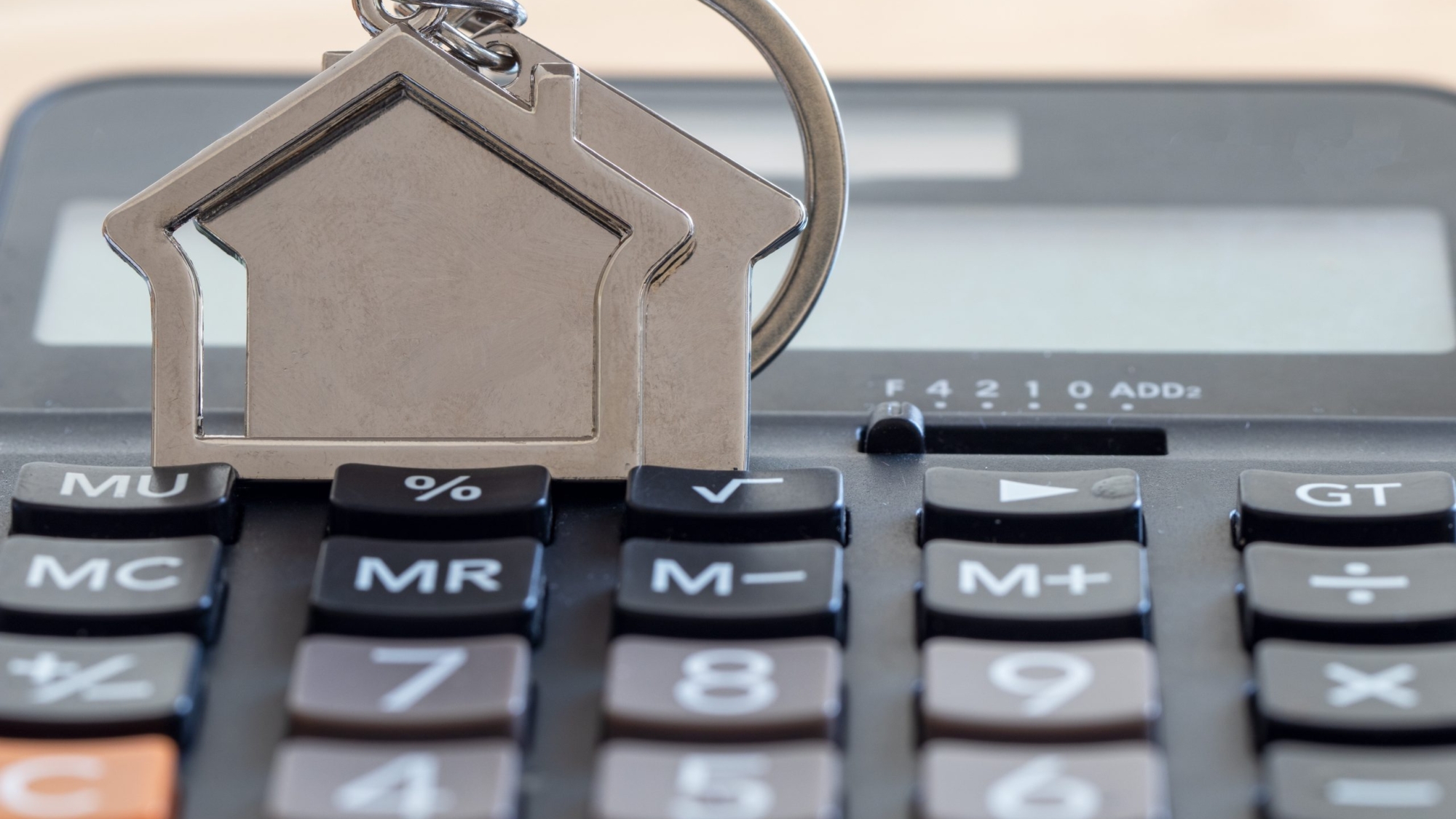
The purchase price is only one part of the financial commitment involved in buying a home. A property may appear affordable when judged solely by its advertised value, yet the total cost of acquiring, maintaining, and occupying it can be considerably higher. A realistic budget accounts for the entire ownership experience rather than focusing on the initial transaction alone.
The process begins with understanding available funds. Buyers should review their savings, regular income, existing financial obligations, and the amount they can comfortably dedicate to housing. A budget should leave sufficient room for ordinary living expenses and unexpected changes in income. Committing every available resource to a property can create unnecessary pressure after the purchase is complete.
Initial expenses may include a down payment, transaction-related charges, professional services, inspections, document preparation, and moving costs. Depending on the property and the applicable arrangements, additional expenses may arise before the home is ready for occupancy. Buyers benefit from identifying these costs early instead of treating them as last-minute surprises.
Ongoing ownership introduces another layer of financial responsibility. Utilities, routine maintenance, repairs, insurance, shared-building charges, and property-related taxes may all affect the household budget. Some expenses are predictable, while others appear irregularly. A heating system might function perfectly during a viewing but require attention several years later. Roof repairs, plumbing issues, and appliance replacements can also demand significant resources.
A separate maintenance reserve can make these events easier to manage. Rather than assuming every month will have identical expenses, buyers should prepare for periods when the property requires additional spending. The appropriate reserve depends on the building's age, condition, construction type, and existing systems.
Financing terms also deserve careful attention. Monthly payments should be evaluated alongside interest arrangements, repayment duration, fees, and the possibility of changing payment obligations. Buyers need to understand the complete structure of any proposed financing rather than comparing options by monthly payment alone.
Another useful practice is to test the budget against less favorable circumstances. What happens if income temporarily decreases? Could the household manage an unexpected repair while continuing to meet regular obligations? Would the property still be financially comfortable if utility costs increased? These questions reveal weaknesses that a simple affordability calculation might overlook.
A well-prepared budget provides more than spending limits. It creates a framework for comparing properties, evaluating trade-offs, and recognizing when a seemingly attractive purchase could become financially demanding.
The goal is not to spend the maximum amount available. It is to choose a home that provides lasting value without undermining financial stability. When buyers understand both immediate and future expenses, they are better positioned to make decisions that remain manageable long after moving day.