Beyond the Screen: Building an Immersive Home Entertainment Environment

A compelling entertainment environment is created through the interaction of image, sound, lighting, acoustics, and physical space. While modern televisions and streaming platforms provide access to an enormous range of content, the quality of the experience depends on much more than display resolution or the number of available applications.

Connected entertainment systems allow these elements to be coordinated, creating a room that can transition from everyday viewing to music listening, gaming, or cinematic presentation.

Image Quality Begins with the Environment

Display performance is influenced by contrast, brightness, color reproduction, refresh rate, and viewing angle. The surrounding room contributes just as much to perceived quality.

Direct reflections can obscure dark scenes, while excessive ambient light may reduce perceived contrast. Screen placement and viewing distance also affect comfort, particularly during extended sessions.

Smart lighting can help establish suitable conditions for different activities. Dimmable ambient fixtures, indirect illumination, and adjustable background lights provide flexibility without requiring a dedicated theater room.

Sound Is a Spatial Experience

Audio quality depends on both equipment and acoustics. Soundbars can improve dialogue clarity, while multi-speaker arrangements may create a broader sense of space and direction.

Room geometry, speaker placement, reflective surfaces, and furniture influence the sound reaching the listener. Calibration software can help balance levels, but it cannot fully correct every physical limitation.

Wireless audio systems offer flexible installation, although compatibility, synchronization, and network performance should be evaluated before adding multiple speakers.

Coordinating Devices into One Experience

A centralized entertainment routine can dim selected lights, switch the television to an appropriate input, and activate compatible audio equipment. Universal remotes and supported control standards may reduce the need to manage each component separately.

However, automation should not obscure basic functionality. Users need clear ways to change inputs, adjust volume, and operate equipment when an integration fails.

A well-designed interface prioritizes common actions rather than presenting every available setting at once.

Connectivity Is Part of Performance

Streaming, cloud gaming, and online multiplayer experiences depend on network conditions. Wireless signal strength, interference, competing traffic, and the capabilities of the router can all affect performance.

Wired connections may be preferable for stationary devices when practical. For wireless systems, access-point placement and appropriate network configuration can improve reliability.

Troubleshooting should distinguish between local network problems, device limitations, and interruptions originating from an external service.

Immersion Without Excess

Ambient lighting effects, synchronized audio, and automated scenes can create a more engaging experience, but excessive effects may become distracting. The ideal arrangement depends on the content, room size, and personal preference.

An effective entertainment environment is carefully balanced. Every component contributes to the overall experience, yet none should require constant attention. When visual quality, acoustics, connectivity, and controls work together, the technology becomes a natural extension of the room.


The Numbers Behind the Front Door: Building a Realistic Home Buying Budget

The purchase price is only one part of the financial commitment involved in buying a home. A property may appear affordable when judged solely by its advertised value, yet the total cost of acquiring, maintaining, and occupying it can be considerably higher. A realistic budget accounts for the entire ownership experience rather than focusing on the initial transaction alone.

The process begins with understanding available funds. Buyers should review their savings, regular income, existing financial obligations, and the amount they can comfortably dedicate to housing. A budget should leave sufficient room for ordinary living expenses and unexpected changes in income. Committing every available resource to a property can create unnecessary pressure after the purchase is complete.

Initial expenses may include a down payment, transaction-related charges, professional services, inspections, document preparation, and moving costs. Depending on the property and the applicable arrangements, additional expenses may arise before the home is ready for occupancy. Buyers benefit from identifying these costs early instead of treating them as last-minute surprises.

Ongoing ownership introduces another layer of financial responsibility. Utilities, routine maintenance, repairs, insurance, shared-building charges, and property-related taxes may all affect the household budget. Some expenses are predictable, while others appear irregularly. A heating system might function perfectly during a viewing but require attention several years later. Roof repairs, plumbing issues, and appliance replacements can also demand significant resources.

A separate maintenance reserve can make these events easier to manage. Rather than assuming every month will have identical expenses, buyers should prepare for periods when the property requires additional spending. The appropriate reserve depends on the building’s age, condition, construction type, and existing systems.

Financing terms also deserve careful attention. Monthly payments should be evaluated alongside interest arrangements, repayment duration, fees, and the possibility of changing payment obligations. Buyers need to understand the complete structure of any proposed financing rather than comparing options by monthly payment alone.

Another useful practice is to test the budget against less favorable circumstances. What happens if income temporarily decreases? Could the household manage an unexpected repair while continuing to meet regular obligations? Would the property still be financially comfortable if utility costs increased? These questions reveal weaknesses that a simple affordability calculation might overlook.

A well-prepared budget provides more than spending limits. It creates a framework for comparing properties, evaluating trade-offs, and recognizing when a seemingly attractive purchase could become financially demanding.

The goal is not to spend the maximum amount available. It is to choose a home that provides lasting value without undermining financial stability. When buyers understand both immediate and future expenses, they are better positioned to make decisions that remain manageable long after moving day.

First Impressions Can Mislead: A Practical Guide to Property Inspections

Fresh paint, modern lighting, and carefully selected furnishings can make almost any property appear inviting. Although presentation matters, cosmetic improvements do not necessarily indicate that a building has been properly maintained. A thorough inspection helps buyers distinguish between attractive finishes and the underlying condition of the home.

The exterior provides an important starting point. Walls, foundations, rooflines, windows, drainage arrangements, and visible structural elements should be examined for signs of deterioration. Cracks, water staining, damaged materials, or areas where moisture appears to collect may indicate problems requiring further investigation. Not every visible imperfection represents a serious defect, but unexplained damage should never be dismissed simply because the property looks appealing overall.

Inside the home, buyers should pay attention to ceilings, floors, walls, doors, and windows. Uneven flooring, persistent odors, discolored surfaces, or windows that do not close properly may suggest maintenance issues. Evidence of previous repairs is worth discussing, particularly when the original cause of the problem is unclear.

Water-related concerns deserve special attention. Leaks can damage finishes, weaken materials, and encourage mold growth under suitable conditions. Buyers should look for moisture marks around bathrooms, kitchens, windows, utility areas, and ceilings. A property may have been recently repainted to improve its appearance, making it important to ask about any known history of water intrusion.

Electrical, plumbing, heating, cooling, and ventilation systems influence both comfort and ongoing expenses. A visual walkthrough cannot establish the full condition of these systems, particularly when components are hidden behind walls or ceilings. Where appropriate, qualified professionals can evaluate equipment, identify safety concerns, and estimate the remaining useful life of major components.

The age of a building should be considered alongside its maintenance history. An older property may be in excellent condition if it has received consistent care, while a relatively recent building can still contain defects. Records of renovations, servicing, warranties, and completed repairs can provide useful context.

Buyers should also distinguish between minor cosmetic work and substantial remediation. Replacing a cabinet handle is straightforward; addressing persistent foundation movement or widespread moisture intrusion may require specialist assessment and significant expenditure. Understanding this distinction helps buyers prioritize findings according to their seriousness and likely consequences.

A professional inspection can provide a more systematic assessment than an informal viewing. The resulting report may identify defects, recommend additional specialist checks, and explain which issues deserve immediate attention. Buyers should review the findings carefully and ask questions whenever technical language is unclear.

An inspection is not intended to eliminate every uncertainty. Its purpose is to reduce avoidable surprises by providing a clearer picture of the property’s condition. When buyers investigate beyond appearances, they can evaluate repair responsibilities more realistically and make decisions based on evidence rather than presentation alone.

The Art of a Strong Offer: Negotiating With Clarity and Purpose

Negotiating for a home is often portrayed as a contest in which one party must defeat the other. In practice, successful negotiations depend on preparation, clear priorities, credible reasoning, and an understanding of what each side needs from the transaction. A well-structured offer does more than state a number; it communicates that the buyer has considered the property and is prepared to proceed on defined terms.

Preparation begins before the first offer is submitted. Buyers should review comparable properties, assess the home’s condition, and identify features that influence its value. Relevant comparisons include size, layout, general condition, age, functionality, and other characteristics that affect desirability. Asking prices can provide context, but they do not necessarily reflect the amounts buyers are ultimately willing to pay.

A buyer should also establish a personal financial limit. This figure should reflect affordability, expected ownership costs, and the property’s perceived value rather than the emotional pressure of competing with another interested party. Deciding on a limit in advance makes it easier to resist escalating an offer simply because the purchase feels close.

The structure of an offer matters alongside its financial terms. Completion timing, deposit arrangements, included appliances, requested repairs, and conditions relating to inspections or financing may influence the seller’s response. A seller who needs a predictable completion schedule may value certainty, while another may prioritize flexibility or fewer outstanding conditions. Understanding these priorities can reveal possible areas of agreement.

Communication should remain specific and respectful. If a buyer proposes a lower amount because repairs are needed, the explanation is stronger when supported by inspection findings or reasonable cost estimates. General statements that a property is overpriced are less useful than clearly identifying the factors behind the proposed terms.

Negotiation also requires knowing when to pause. A counteroffer can create pressure to respond immediately, but buyers benefit from reviewing each change against their original objectives. If the seller introduces new conditions, those terms should be evaluated as carefully as the purchase price.

It is equally important to understand the limits of informal promises. Agreements about repairs, included items, or completion arrangements should be recorded appropriately in the transaction documents. Verbal assurances may not provide the clarity or enforceability that buyers expect.

A strong negotiation does not always produce the lowest possible price. It produces terms that the buyer understands, can afford, and considers reasonable in light of the property’s condition and overall value. Sometimes the most effective decision is to proceed; at other times, declining to continue protects the buyer from an unsuitable commitment.

The best negotiators combine confidence with discipline. They remain open to compromise where it serves a purpose, but they do not abandon essential requirements merely to complete a transaction. This balance helps turn a potentially stressful exchange into a structured decision-making process.

Hidden Expenses of Renovation: What Buyers Should Calculate Before Committing

A property that requires renovation can present an opportunity to create a more personalized living environment. It can also introduce financial and logistical challenges that are easy to underestimate during an initial viewing. Before committing to a home that needs work, buyers should understand the difference between a manageable improvement project and a renovation that could become substantially more demanding.

The first task is to identify the scope of the work. Cosmetic changes such as repainting, replacing cabinet handles, or updating light fixtures are generally different from projects involving plumbing, electrical systems, structural components, or extensive moisture damage. The visible condition of a room may not reveal the full amount of work required beneath its surfaces.

Prioritization helps make the project more manageable. Essential repairs should be distinguished from improvements that can be completed later. Addressing a leaking roof or an unsafe electrical installation generally takes precedence over choosing decorative finishes. This sequence protects the building and reduces the risk of investing in cosmetic work that must be removed during later repairs.

Obtaining professional assessments can clarify the scope of major projects. Contractors or qualified specialists may identify necessary repairs, recommend suitable materials, and explain whether the proposed changes are technically practical. Where several trades are involved, coordination becomes important because the timing of one task may depend on the completion of another.

Material costs are only one part of a renovation budget. Labor, waste removal, delivery, temporary accommodation, permits, equipment hire, and unexpected repairs may also contribute to the final expense. Some projects uncover hidden problems only after work begins, particularly in older buildings or areas that have not been maintained consistently.

For this reason, a contingency reserve is a useful part of renovation planning. The appropriate amount depends on the project’s complexity, the quality of available information, and the condition of the property. A project involving extensive structural work carries different uncertainties from one focused on surface finishes.

Time should be evaluated as carefully as money. Delays can arise from material availability, scheduling conflicts, inspection requirements, or newly discovered defects. Buyers who intend to occupy the property immediately should determine whether essential rooms and systems will be usable when needed. An ambitious renovation schedule may not be realistic if several major tasks must be completed sequentially.

The purchase price should be considered alongside the projected cost of improvements. A lower-priced property may become less attractive when necessary repairs, temporary living arrangements, and future maintenance are included. Comparing the total expected commitment with the condition and functionality of alternative properties can help buyers determine whether the project makes practical sense.

It is also wise to distinguish between improvements that support personal preferences and work that addresses genuine defects. Expensive finishes may improve appearance, but they cannot compensate for unresolved structural or moisture problems.

Renovation can be rewarding when the scope is understood and the budget reflects realistic conditions. Buyers who investigate first, prioritize essential work, and account for uncertainty are better equipped to decide whether a property represents a suitable project or an unnecessary source of stress.

The Hidden Engineering Behind Reliable Smart Devices

A connected device may appear simple from the outside: a compact sensor, a wireless switch, or a small controller mounted discreetly on a wall. Yet reliable operation depends on several engineering disciplines working together, including electronics, communication protocols, firmware, power management, and environmental design.

Understanding these underlying elements helps explain why two products with similar features can perform very differently in everyday use.

Communication Is More Than a Wireless Signal

Smart devices use several communication technologies, each with distinct characteristics. Wi-Fi can provide direct network access and support data-intensive functions, while low-power protocols such as Zigbee and Thread are designed for different forms of connected-device communication.

Bluetooth can be useful for nearby connections and initial configuration. Some systems combine several technologies through a hub or controller.

No protocol is universally superior. The right choice depends on range, power requirements, network architecture, device density, and the functions being supported.

Power Consumption and Battery Life

Small sensors often operate for extended periods on batteries. Their energy requirements depend on how frequently they measure conditions, transmit data, and maintain network connections.

A sensor that reports every few seconds may consume power differently from one that sends updates only when a threshold is crossed. Firmware can therefore have a meaningful effect on operating life.

Battery estimates should be treated as approximate because temperature, signal quality, usage patterns, and battery characteristics can all influence actual performance.

Products should also provide practical ways to identify low battery levels and replace batteries safely.

Firmware and the Software Lifecycle

Firmware determines how a device interprets sensor readings, communicates with other equipment, and executes its functions. Software defects can cause unreliable operation even when the physical components are well designed.

Manufacturers may issue firmware updates to correct faults, improve compatibility, or address security weaknesses. The long-term value of a device therefore depends partly on whether updates remain available and can be installed reliably.

A product’s software support deserves the same consideration as its hardware specifications.

Environmental Conditions and Physical Durability

Smart devices operate in environments that may contain moisture, dust, vibration, temperature fluctuations, or electrical interference. Equipment intended for a dry indoor room may not be appropriate for a bathroom, outdoor location, or utility area.

Enclosure ratings, installation requirements, and operating-temperature limits help determine where a product can be used safely.

Sensors also require calibration and suitable positioning. Even durable equipment can produce misleading results when installed outside its intended operating conditions.

Reliability Is a System Property

A device may work perfectly in isolation but fail when integrated into a larger installation. Communication congestion, incompatible firmware, controller limitations, and poorly designed automation rules can all undermine the complete system.

Testing should therefore include real operating conditions rather than relying exclusively on individual product specifications.

For important functions, it is also worth considering what happens when power or connectivity is interrupted. Local controls, appropriate fail-safe behavior, and clear recovery procedures can reduce disruption.

Engineering That Users Never Need to Notice

The strongest technical design often reveals itself through consistency rather than visible complexity. Devices respond when expected, battery life remains practical, updates are manageable, and integration does not require constant troubleshooting.

Reliable smart home technology depends on much more than adding wireless connectivity to an electronic product. It requires coordinated engineering across hardware, software, communication, and long-term maintenance.

Future-Proofing the Smart Home: A Strategy for Long-Term Flexibility

Smart home technology changes quickly, but residential systems are expected to remain useful for years. A device that appears advanced at the time of purchase may eventually lose software support, become incompatible with newer equipment, or depend on a service that is no longer available.

Future-proofing does not mean predicting every technological development. It means making choices that preserve flexibility, reduce unnecessary dependencies, and allow a home to evolve without repeated major replacements.

Interoperability Before Brand Loyalty

A connected ecosystem may function smoothly while all its products come from one manufacturer, but long-term flexibility depends on understanding how those products interact with external systems.

Communication standards such as Matter can improve interoperability among supported devices, although actual capabilities vary by product and platform. Certain functions may still require a manufacturer’s application or a specific controller.

Before purchasing equipment, it is useful to distinguish between basic compatibility and full feature support. A device may connect successfully while offering only a limited set of controls through another platform.

The Case for Modular Architecture

A modular smart home separates major functions into components that can be upgraded independently. Lighting, environmental sensors, network equipment, and central control do not necessarily need to be replaced at the same time.

This approach can reduce disruption when a particular device reaches the end of its useful life. It also makes troubleshooting easier because individual components can be evaluated without redesigning the entire installation.

Modularity requires planning. Communication requirements, controller capacity, electrical installation, and supported integrations should be documented before the system becomes difficult to change.

Local Control and Service Independence

Cloud-based services provide remote access and may enable advanced features, but they can introduce dependence on external infrastructure. If an account becomes inaccessible or a service changes, selected functions may stop working.

Local control can preserve certain automations during internet interruptions and reduce dependence on external servers. However, the available functions depend on the hardware and software involved.

A useful purchasing question is whether essential operations remain available when the external connection fails. The answer can reveal more about long-term resilience than a long list of optional features.

Plan for Updates, Repairs, and Replacement

A product’s useful life depends on more than physical durability. Firmware support, replacement parts, battery availability, documentation, and repair options all influence how long it remains practical.

Before installation, record device models, controller requirements, network settings, and the purpose of important automations. Keep this information in a secure location rather than relying on memory or a single application.

Clear documentation becomes especially valuable when troubleshooting, replacing equipment, or transferring system management to another household member.

Design for Change, Not Complexity

A future-ready installation should be easy to expand, but expansion should remain purposeful. Every new device adds another configuration, maintenance requirement, and potential point of failure.

Simple automation rules, consistent naming, and clearly defined control priorities help prevent the system from becoming difficult to understand.

It is also wise to retain manual controls for everyday functions. A connected home should remain usable when a smartphone is unavailable, an application changes, or a network requires maintenance.

A Long-Term View of Domestic Technology

The most resilient smart home is built around dependable functions rather than fashionable features. It prioritizes interoperability, understandable controls, reliable software support, privacy, and the ability to replace individual components without rebuilding everything.

Technology will continue to evolve, and no installation can guarantee compatibility with every future product. Nevertheless, thoughtful architecture can reduce the cost and complexity of change.

Future-proofing is ultimately an exercise in preserving options. A well-planned home can adopt useful innovations at its own pace while maintaining the reliability and simplicity that make connected living worthwhile.

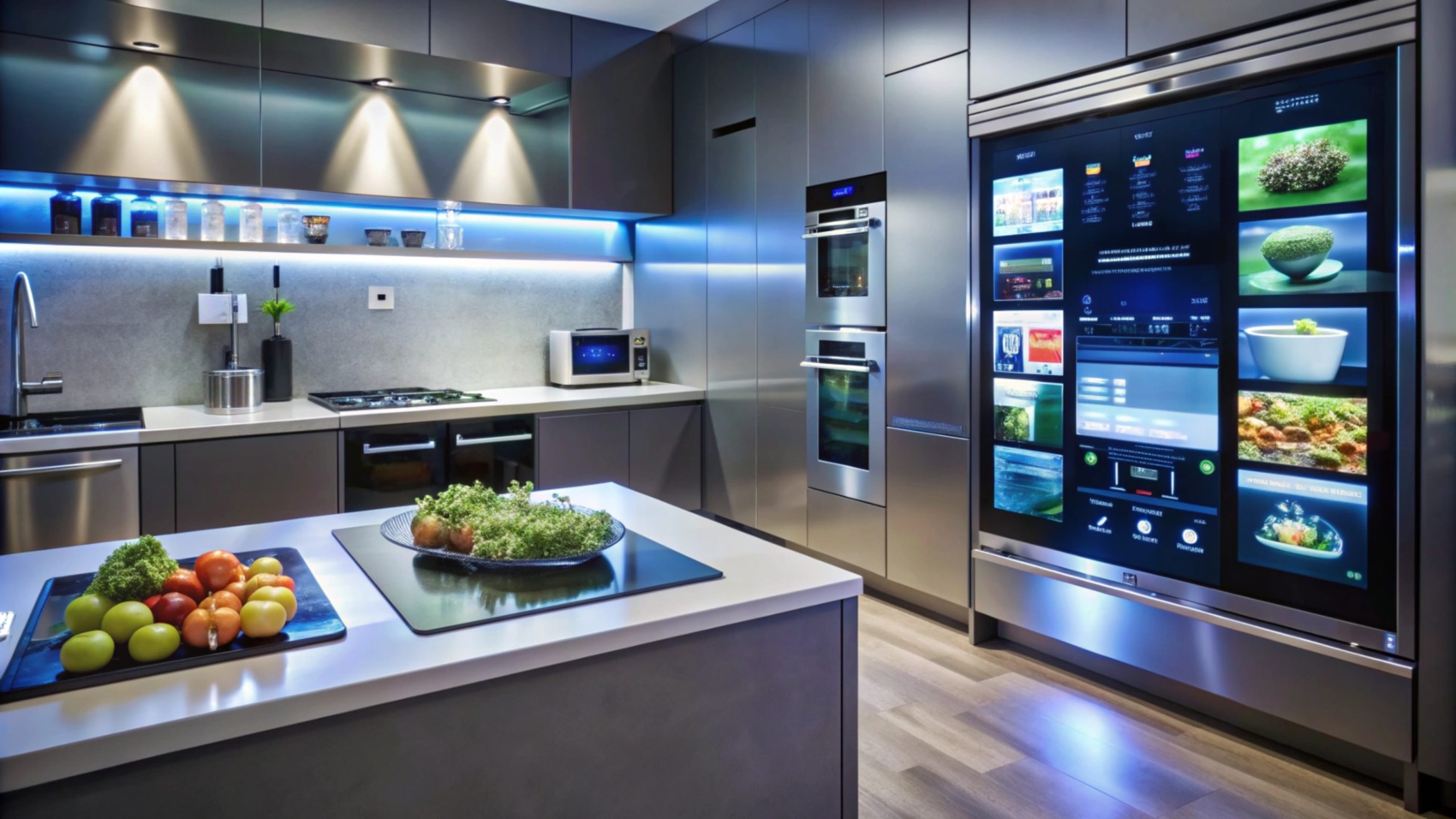
The Connected Kitchen: Precision, Performance, and Practicality

The kitchen is one of the most demanding environments in a home. It combines heat, moisture, electrical equipment, food storage, repetitive tasks, and constant movement within a relatively concentrated space. Modern connected appliances are introducing new ways to coordinate these activities, but their value depends on how effectively technology supports the fundamentals of cooking and maintenance.

Appliances That Communicate Their Condition

Connected ovens, refrigerators, dishwashers, and washing machines can provide operational information that conventional appliances may not display. Users might receive notifications when a cycle finishes, learn that a filter requires attention, or review selected temperature readings remotely.

These features can improve visibility into equipment operation. A refrigerator alert may draw attention to a door left open, while a dishwasher notification can simplify household scheduling.

However, a notification is only useful when it is accurate and actionable. Users should understand which measurements a device actually provides and avoid treating automated diagnostics as definitive technical assessments.

Precision Cooking and Repeatable Results

Digital temperature controls and programmed cooking cycles can make it easier to reproduce familiar results. Some appliances monitor internal conditions and adjust their operation to maintain a selected setting.

Connected interfaces may also store recipes, display operating instructions, or coordinate timers across several tasks. This can be particularly useful when preparing meals that require several stages to finish at the right moment.

Still, technology does not remove the importance of ingredient quality, cookware, food preparation, and practical judgment. Programmed settings should be treated as tools that support cooking rather than substitutes for understanding the process.

The Kitchen as a Coordinated Workspace

Smart lighting can improve visibility over preparation surfaces, while compatible ventilation equipment can respond to selected operating conditions. Voice assistants may provide hands-free timers, and connected appliances can make cycle progress easier to monitor.

A successful layout minimizes unnecessary interaction. Essential controls should remain accessible, interfaces should be easy to understand, and frequently used equipment should not depend on a complicated sequence of application commands.

Heat, steam, grease, and spills also create demanding conditions for electronics. Devices should be installed according to their environmental ratings and manufacturer instructions.

Hygiene, Maintenance, and Product Longevity

Connectivity does not eliminate routine cleaning. Refrigerator seals, dishwasher filters, ventilation components, and appliance interiors still require appropriate maintenance.

Before investing in advanced features, buyers should consider spare-part availability, repair options, software support, and the ability to use basic functions without an internet connection.

An appliance that performs its core task reliably may be more valuable than one with an elaborate interface but limited long-term support.

Technology That Respects the Craft

Cooking involves timing, judgment, creativity, and sensory feedback. The most useful digital tools reduce avoidable distractions, make equipment easier to monitor, and support consistent results without turning meal preparation into a technical exercise.

A well-connected kitchen combines precision with simplicity. Its technology should remain in the background while people concentrate on ingredients, techniques, and the experience of preparing food.

Reading Between the Lines: How to Evaluate a Property Listing Critically

Property listings are designed to attract attention. Carefully selected photographs, polished descriptions, and appealing feature lists help sellers present a home in its strongest light. However, marketing materials are not a complete assessment of a property. Buyers who learn to examine listings critically can identify useful questions before arranging a viewing.

The description should be compared with the available evidence. Words such as spacious, charming, recently improved, or move-in ready can communicate an impression, but they do not establish room dimensions, structural condition, or the quality of completed work. Buyers should look for measurable details that explain what the description actually means.

Photographs require similar caution. Wide-angle lenses can make rooms appear larger, while lighting and image processing may alter the appearance of finishes. A listing might show attractive views of the living room and kitchen but provide little visual information about bathrooms, storage areas, utility spaces, or the building exterior. Missing photographs do not automatically indicate a problem, but they can help identify areas that need closer inspection.

Floor area is another detail worth verifying. Listings may distinguish between internal living space, total built area, balconies, shared facilities, and other measurements. These figures are not necessarily interchangeable. Buyers should establish what the stated area includes and whether the measurement is supported by appropriate documentation.

Claims about renovations should be examined in context. A description might mention an updated kitchen or modernized bathroom without clarifying whether the work involved cosmetic replacements or improvements to underlying systems. Asking when renovations occurred, who performed them, and whether supporting records are available can provide a more complete picture.

Recurring costs may also be absent from the main description. Depending on the property, buyers may need to investigate shared maintenance charges, utility expenses, building management arrangements, or other ongoing obligations. These details can materially affect the overall suitability of a home even when they do not appear in the advertisement.

The surrounding environment should not be evaluated solely through listing photographs. Images rarely communicate ordinary noise levels, traffic patterns, privacy, or the condition of nearby shared spaces. An in-person visit, combined with independent research where appropriate, provides a more reliable understanding of the setting.

It is useful to prepare a short list of questions while reviewing a listing. Which important details are missing? Are the room dimensions clear? Is the property’s condition described specifically? Are there claims that require documentation? These questions transform passive browsing into a more disciplined evaluation process.

Comparing listings using consistent criteria can further improve judgment. Rather than allowing professional photography to dominate the decision, buyers can record practical details such as layout, condition, storage, likely repairs, and ongoing expenses. This makes it easier to recognize which properties deserve additional attention.

A listing is best treated as an introduction, not a conclusion. Its purpose is to present a property, while the buyer’s task is to verify the facts behind that presentation. Critical reading does not require assuming that sellers are being misleading; it simply recognizes that important decisions need evidence beyond persuasive descriptions.